Table of Contents
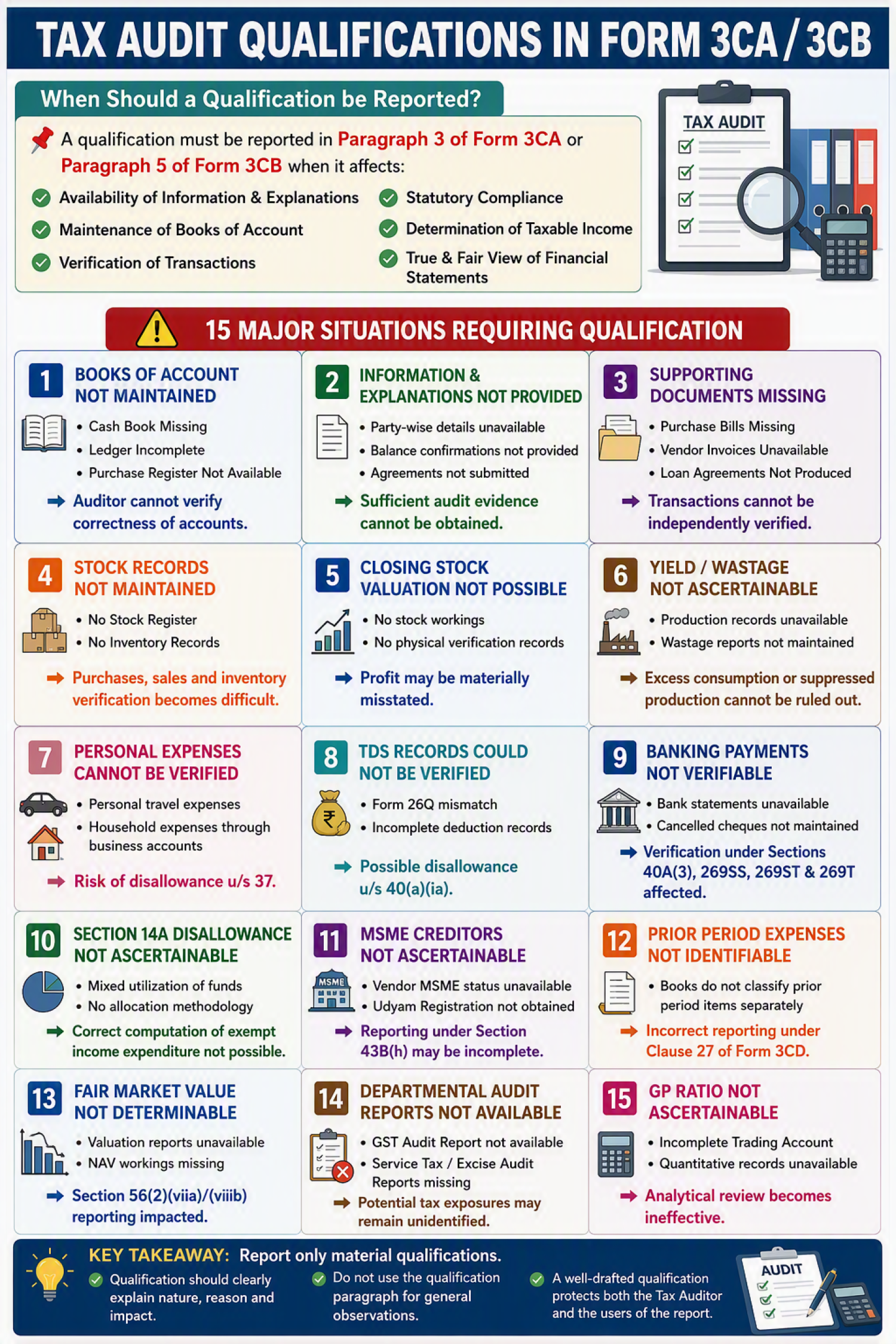
Form 3CA / 3CB Qualifications – Detailed Explanation for Tax Auditors
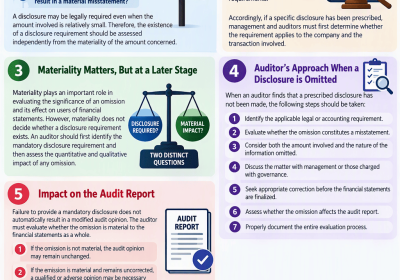
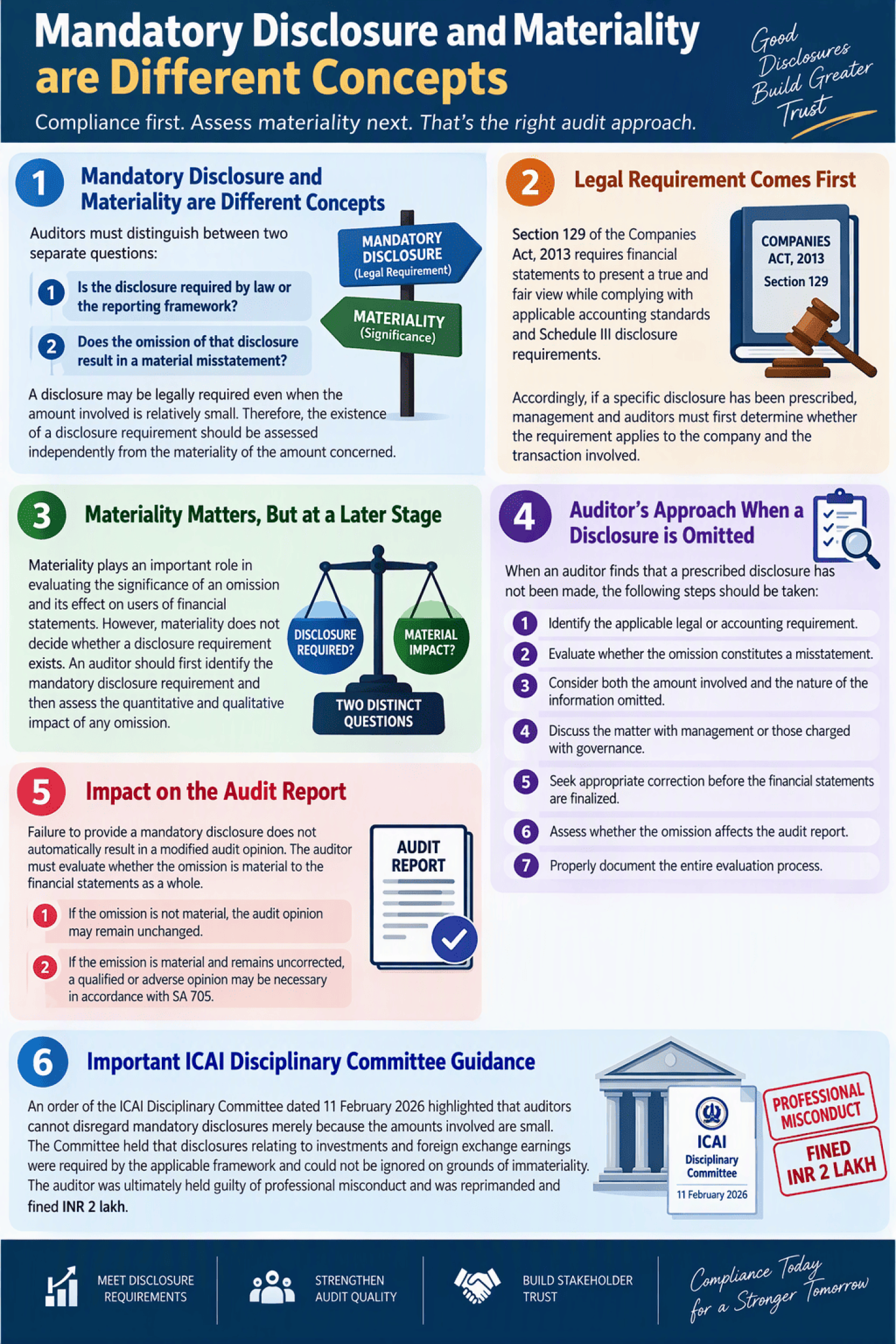
- A qualification in Form 3CA or Form 3CB is not a mere disclosure. It is a formal statement by the tax auditor highlighting material deficiencies, limitations, discrepancies, or lack of evidence that affect the auditor's ability to express an unqualified opinion.
- the tax auditor should include such qualifications directly in the audit report so that users of the Tax Audit Report, including the Income-tax Department, can understand the impact of these shortcomings on the audit findings. The qualification paragraph should contain only matters that materially affect audit reporting and should not be used for general comments or observations.
When Should a Qualification be Reported?
- Under Paragraph 3 of Form 3CA or Paragraph 5 of Form 3CB, qualifications should be reported when they affect Availability of information and explanations, Maintenance of books of account, Verification of transactions, Compliance with statutory requirements, Determination of taxable income and True and fair view of financial statements.
Major Situations Requiring Qualification
1. Proper Books of Account Not Maintained
- Issue: The assessee has not maintained complete books of account as required under Section 44AA or other applicable laws.
- Examples: Cash book not maintained, Ledger incomplete., Purchase registers not available, Stock records absent.
- Audit Impact: The auditor cannot verify the correctness and completeness of financial records.
- Suggested Qualification: "The assessee has not maintained proper books of account for the year under audit. Consequently, we were unable to verify the completeness and correctness of various transactions."
2. Information and Explanations Not Provided
- Issue: Management fails to provide information requested during audit.
- Examples: Party-wise breakup not available, Confirmation of balances not provided and Agreements or contracts not submitted.
- Audit Impact: The auditor cannot obtain sufficient audit evidence.
- Suggested Qualification: "All information and explanations considered necessary for the purpose of audit were not made available to us."
3. Supporting Documents Not Available
- Issue: Documents necessary to verify transactions are missing.
- Examples: Vendor invoices not available, Loan agreements not produced, Purchase bills missing.
- Audit Impact: Reported figures cannot be independently verified.
- Suggested Qualification: "Relevant documents and supporting records necessary for verification of reportable transactions were not made available for our examination."
4. Stock Records Not Maintained
- Issue: No quantitative inventory records maintained.
- Examples: Manufacturing concern without stock register, Trading concern without inventory movement records.
- Audit Impact: Purchases, sales, and closing stock cannot be fully verified.
- Suggested Qualification: "The assessee has not maintained proper stock records. Accordingly, quantitative verification of inventories could not be carried out."
5. Closing Stock Valuation Not Possible
- Issue: Stock valuation cannot be determined due to inadequate records.
- Examples: No stock register, No physical verification reports and No inventory valuation workings.
- Audit Impact; Profit may be materially misstated.
- Suggested Qualification: "In absence of adequate inventory records, valuation of closing stock could not be verified."
6. Yield or Wastage Not Ascertainable
- Issue: Common in manufacturing concerns.
- Examples: Production records missing, Consumption records unavailable and Wastage reports not maintained.
- Audit Impact: Possibility of excess consumption or suppressed production cannot be ruled out.
- Suggested Qualification: "Yield ratio and wastage percentage could not be independently verified due to non-maintenance of quantitative production records."
7. Personal Expenses Cannot Be Verified
- Issue: Records are insufficient to identify personal expenses debited to business accounts.
- Examples: Personal travel expenses, Family vehicle expenses, Household payments through business account.
- Audit Impact: Potential disallowance under Section 37.
- Suggested Qualification: "Adequate records were not maintained to identify and verify expenses of a personal nature."
8. TDS Records Could Not Be Verified
- Issue: TDS returns and books do not reconcile.
- Examples: Missing Form 26Q data, TDS liability mismatch and Incomplete deduction records.
- Audit Impact: Possible disallowance under Sections 40(a)(ia) and 40(a)(i).
- Suggested Qualification: "TDS returns and related records could not be reconciled with the books of account."
9. Payments Through Account Payee Cheques Not Verifiable
- Issue: Insufficient evidence regarding banking transactions.
- Examples: Bank statements unavailable and Cancelled cheques not maintained.
- Audit Impact: Verification u/s 40A(3), 269SS, 269ST and 269T becomes difficult.
- Suggested Qualification: "Adequate records for verification of payments made through banking channels were not made available."
10. Section 14A Disallowance Not Ascertainable
- Issue: Expenses attributable to exempt income cannot be identified.
- Examples: Mixed funds used and No cost allocation methodology.
- Audit Impact: Correct reporting under Section 14A may not be possible.
- Suggested Qualification: "The amount of expenditure attributable to exempt income under Section 14A could not be ascertained."
11. MSME Creditors Not Ascertainable
- Issue: Vendor MSME status not available.
- Examples: Udyam Registration not obtained. And Vendor declarations not collected.
- Audit Impact: Reporting under Section 43B(h) may be incomplete.
- Suggested Qualification: "The status of certain creditors under the MSMED Act, 2006 could not be determined due to non-availability of necessary information."
12. Prior Period Expenses Cannot Be Identified
- Issue: Books do not separately classify prior period items.
- Audit Impact: Reporting under Clause 27 may be inaccurate.
- Suggested Qualification: "Prior period income and expenditure could not be independently identified from the records maintained."
13. Fair Market Value Cannot Be Determined
- Issue: Required for Section 56(2)(viia)/(viib) reporting.
- Examples: Valuation report not available, NAV workings missing.
- Audit Impact: Income under Section 56 cannot be properly evaluated.
- Suggested Qualification: "Fair Market Value of shares could not be verified as supporting valuation reports were not made available."
14. Departmental Audit Reports Not Available
- Examples: GST Audit Reports, Earlier Service Tax Audit Reports and Excise Audit Reports.
- Audit Impact: Potential tax exposures may remain unidentified.
- Suggested Qualification: "Reports issued by indirect tax authorities were not made available for our verification."
15. Gross Profit Ratio Not Ascertainable
- Issue: Financial statements do not permit meaningful GP computation.
- Examples: Incomplete trading account. and No quantitative records.
- Audit Impact: Analytical review becomes ineffective.
- Suggested Qualification: "Gross Profit Ratio could not be reasonably determined from the records and financial statements provided."
Professional Takeaway on Form 3CA / 3CB Qualifications
A qualification should be reported only when it materially affects the auditor's ability to obtain sufficient evidence, verify transactions, or express an opinion on the truth and fairness of the financial statements. Tax auditors should avoid converting general observations into qualifications and ensure that every qualification clearly explains The nature of the limitation, The reason for the limitation, and Its impact on the audit report. This makes Form 3CA/3CB a comprehensive and transparent document for the Income Tax Department and other stakeholders.