Table of Contents
- Taxation Of Family Office And Alternative Family Office Vehicles
- Types Of Family Office Vehicles
- Company As A Family Office Vehicle
- Taxation Of Family Office Company
- 1. Main Objectives While Selecting A Family Office Structure
- 2. Types Of Family Office Vehicles
- 3. Trust As A Family Office Vehicle
- 4. Company As A Family Office Vehicle
- 5. Company Taxation
- 6. Nbfc As A Family Office Vehicle
- 7. Aif (alternative Investment Fund)
- 8. Aif Taxation
- 9. Llp As A Family Office Vehicle
- 10. Llp Taxation
- 11. Partnership Firm As A Family Office Vehicle
- 12. Individual / Huf Structure
- Comparative Analysis – Which Vehicle Is Right?
- Final Conclusion
- Recommended Hybrid Structure For Large Business Families

Taxation of Family Office and Alternative Family Office Vehicles
This is blog explain about on family office structures. It introduces different legal vehicles through which a wealthy family can manage investments, succession planning, governance, asset protection, and inter-generational wealth transfer.
Main Objective : The family must choose the most suitable vehicle based on Tax efficiency, Succession planning, Privacy, Regulatory compliance, Asset protection and Operational flexibility .
Types of Family Office Vehicles
Identifies seven major structures: Trust, Company, NBFC, LLP, Partnership Firm, Individual/HUF and AIF. Each vehicle serves different purposes and comes with different tax and regulatory implications.
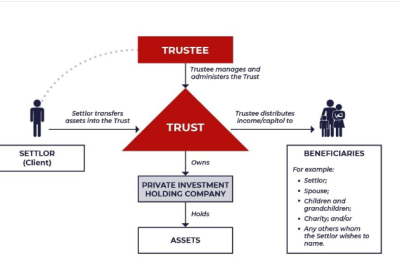
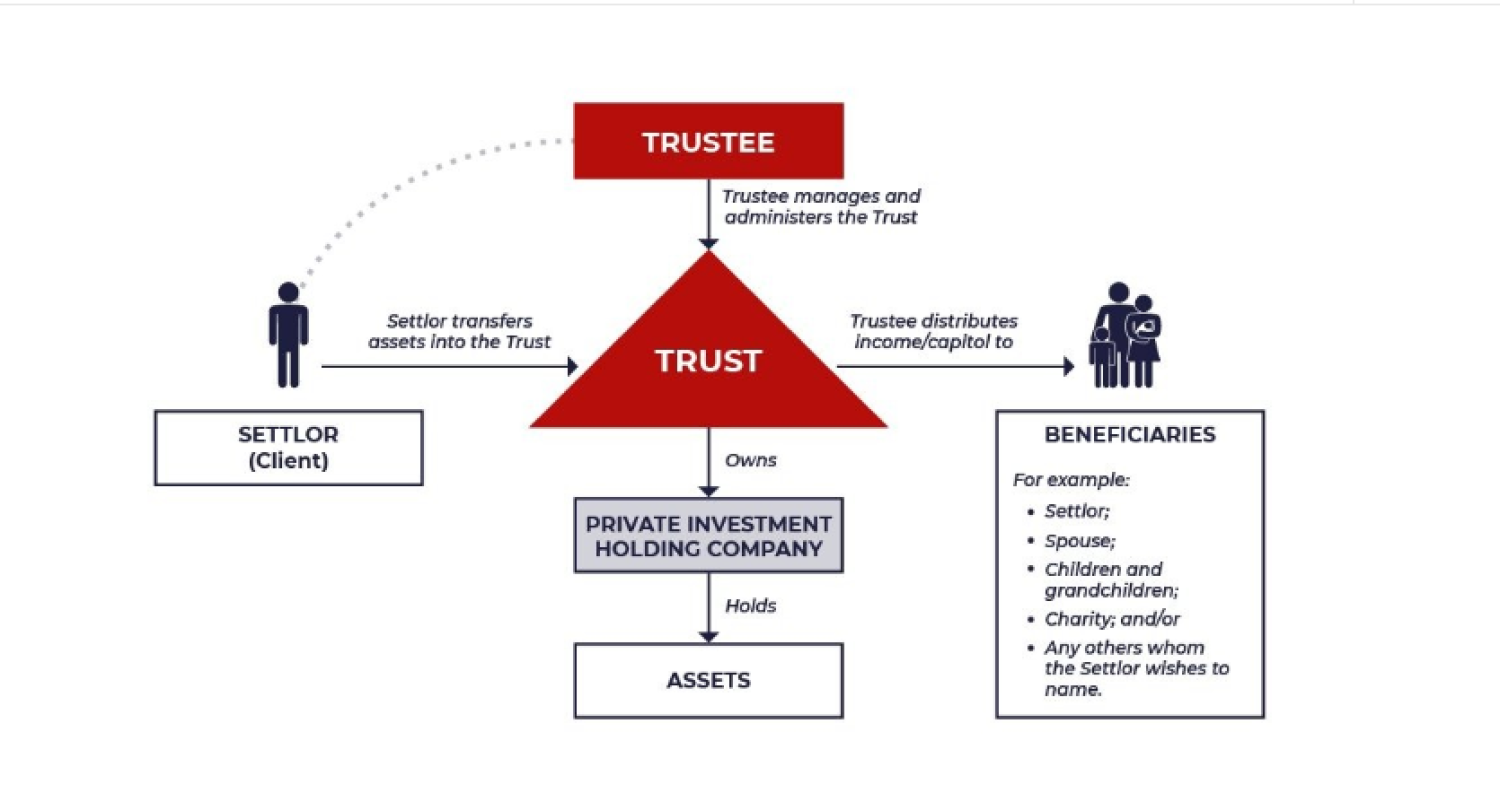
Trust as a Family Office Vehicle : treats a Trust as one of the most effective succession planning tools. Key Advantages of Family Office Vehicles
- Centralized Wealth Management: All family assets can be consolidated under one trust structure and managed by trustees.
- Asset Protection: Assets are held by trustees and are generally protected from family disputes and fragmentation.
- Smooth Succession: Unlike a Will, the transfer mechanism continues without probate complications.
- Privacy: Trust deeds are generally private documents and not publicly available like company filings.
- Estate Planning: Assets in an irrevocable discretionary trust may remain outside the settlor's personal estate, reducing future estate-related exposure.
- Philanthropy: Trusts can simultaneously be used for charitable and family objectives.
Practical Example : A family owning multiple companies, real estate, and investments may transfer those assets into a family trust to ensure wealth remains under one governance structure across generations.
Company as a Family Office Vehicle
Many business families establish a holding company to manage investments and businesses.
Advantages
- Professional Management ; A company can appoint professional directors, CEOs, CFOs, and investment managers.
- Centralized Control : Different investments can be held under one corporate umbrella.
- Succession : Shares can be transferred among heirs gradually.
- Tax Benefits: Companies may opt for concessional tax regimes.
Drawbacks :
- High Compliance: Annual ROC filings, Income tax returns, Board meetings and Statutory audits
- Reduced Privacy : Financial information becomes accessible through MCA records. If the company's principal activity becomes financial investment or lending, RBI may require NBFC registration.
Taxation of Family Office Company
Alternative Family Office Vehicles
1. Main Objectives While Selecting a Family Office Structure
|
Criteria |
Purpose |
|
Tax Efficiency |
Minimize tax leakage and optimize returns |
|
Succession Planning |
Ensure smooth transfer of wealth to future generations |
|
Privacy |
Maintain confidentiality of family wealth and affairs |
|
Regulatory Compliance |
Manage legal and statutory obligations effectively |
|
Asset Protection |
Protect family wealth from disputes and liabilities |
|
Operational Flexibility |
Allow efficient management of investments and businesses |
2. Types of Family Office Vehicles
|
S. No. |
Vehicle |
|
1 |
Trust |
|
2 |
Company |
|
3 |
NBFC |
|
4 |
LLP |
|
5 |
Partnership Firm |
|
6 |
Individual / HUF |
|
7 |
AIF (Alternative Investment Fund) |
3. Trust as a Family Office Vehicle
|
Particulars |
Details |
|
Wealth Management |
Centralized management of family wealth by trustees |
|
Asset Protection |
Assets protected from family disputes and fragmentation |
|
Succession Planning |
Seamless transfer of wealth without probate issues |
|
Privacy |
Trust deed remains private unlike ROC filings |
|
Estate Planning |
Assets may remain outside settlor's personal estate in an irrevocable discretionary trust |
|
Philanthropy |
Can be used for both charitable and family objectives |
|
Suitable For |
Large family businesses and succession planning |
Key Advantage
A family trust can hold shares, real estate, and investments under a single governance framework for multiple generations.
4. Company as a Family Office Vehicle
|
Advantages |
Drawbacks |
|
Professional management through CEO, CFO, Directors |
Annual ROC compliance |
|
Centralized control of investments |
Statutory audits |
|
Easy transfer of shares to successors |
Board meeting requirements |
|
Lower corporate tax options available |
Reduced privacy due to MCA disclosures |
|
Suitable for large investment portfolios |
Higher compliance burden |
Important Note
|
Situation |
Requirement |
|
Company primarily engaged in investment/lending activities |
RBI may require NBFC registration |
5. Company Taxation
|
Category |
Tax Rate |
|
Domestic Company (Turnover up to ₹400 Crore) |
25% |
|
Section 115BAA Regime |
22% |
|
Manufacturing Company (Old Regime) |
15% |
|
Other Domestic Companies |
30% |
|
MAT |
15% |
Surcharge
|
Income |
Surcharge |
|
Up to ₹1 Crore |
Nil |
|
₹1 Crore to ₹10 Crore |
7% |
|
Above ₹10 Crore |
12% |
|
Companies under 115BAA |
10% |
Dividend Taxation
|
Particular |
Treatment |
|
Dividend received by shareholders |
Taxable at applicable slab rates |
6. NBFC as a Family Office Vehicle
|
Advantages |
Drawbacks |
|
Professional wealth management |
Strict RBI regulation |
|
Lending and financing capability |
Capital adequacy requirements |
|
Wealth advisory services |
Extensive reporting requirements |
|
Diversified income streams |
Periodic compliance reviews |
|
Smooth succession through shareholding |
Higher compliance cost |
Suitable For
|
Category |
|
Ultra-HNIs and business families with large treasury operations and lending activities |
7. AIF (Alternative Investment Fund)
|
Advantages |
Drawbacks |
|
Regulated by SEBI |
|
|
Flexible investment strategies |
|
|
Professional fund management |
|
|
Strong governance structure |
|
|
Tax-efficient structures available |
|
|
Highest compliance burden |
|
|
Investor reporting obligations |
|
|
SEBI regulations and oversight |
|
|
Fund governance requirements |
Suitable For
|
Category |
|
Families having diversified investment portfolios running into hundreds of crores |
8. AIF Taxation
Category I & II AIF
|
Income Type |
Taxability |
|
Business Income |
Taxable at AIF level |
|
Capital Gains |
Taxable at Investor level |
|
Dividend Income |
Taxable at Investor level |
|
Interest Income |
Taxable at Investor level |
|
Other Income |
Taxable at Investor level |
Category III AIF
|
Income Type |
Taxability |
|
All Income |
Generally taxable at AIF level |
Key Benefit
|
Particular |
|
Category I and II AIFs enjoy pass-through taxation, enhancing tax efficiency |
9. LLP as a Family Office Vehicle
|
Advantages |
Drawbacks |
|
Limited liability protection |
|
|
Flexible profit-sharing ratios |
|
|
No dividend taxation |
|
|
High privacy |
|
|
Lower compliance burden |
|
|
Pure investment LLPs may face practical registration issues |
Suitable For
|
Category |
|
Family-owned investment holding structures with moderate compliance requirements |
10. LLP Taxation
|
Particulars |
Tax Rate |
|
Income Tax |
30% |
|
AMT |
18.5% |
Surcharge
|
Income |
Surcharge |
|
Up to ₹1 Crore |
Nil |
|
Above ₹1 Crore |
12% |
Profit Distribution
|
Particular |
Taxability |
|
Profit distributed to partners |
Not taxable in partners' hands |
11. Partnership Firm as a Family Office Vehicle
|
Advantages |
Drawbacks |
|
Easy formation |
|
|
Minimal compliance |
|
|
High privacy |
|
|
Single level taxation |
|
|
Unlimited liability |
|
|
No asset ring-fencing |
|
|
Personal assets exposed to business risks |
Suitable For
|
Category |
|
Smaller family enterprises and investment structures |
Taxation
|
Particular |
|
Same tax treatment as LLP |
12. Individual / HUF Structure
|
HUF Advantages |
Individual Advantages |
|
Preservation of ancestral wealth |
Simplicity |
|
Smooth Karta succession |
Complete control |
|
Suitable for family-owned assets |
Estate planning through Will |
Common Features
|
Feature |
|
High privacy |
|
Minimal compliance |
|
Income-tax return filing only |
Drawbacks
|
Particular |
|
Unlimited liability |
|
Limited asset protection |
Suitable For
|
Category |
|
Families with relatively simple asset holding structures |
Comparative Analysis – Which Vehicle is Right?
|
Criteria |
Trust |
Company |
LLP |
NBFC |
AIF |
|
Succession Planning |
Best |
Moderate |
Poor |
Moderate |
Moderate |
|
Tax Efficiency |
Good |
Best |
Good |
Moderate |
Moderate |
|
Privacy |
Best |
Moderate |
Moderate |
Moderate |
Moderate |
|
Compliance Burden |
Low |
High |
Low |
Highest |
Highest |
|
Asset Protection |
Best |
Good |
Good |
Moderate |
Moderate |
Final Conclusion
|
Vehicle |
Key Strength |
|
Trust |
Best overall structure for succession, privacy, asset protection, governance and long-term wealth preservation |
|
Company |
Best tax efficiency and professional management |
|
LLP |
Good balance of tax efficiency and compliance |
|
NBFC |
Suitable for lending and treasury operations |
|
AIF |
Ideal for sophisticated investment management |
|
HUF/Individual |
Suitable for simple family wealth structures |
Recommended Hybrid Structure for Large Business Families
Family Trust
↓
Holding Company / LLP / AIF
↓
Businesses + Investments + Real Estate
This structure combines succession planning, tax efficiency, governance, privacy, and asset protection under one integrated Family Office framework.