Table of Contents
- Overview Of The Family Office – More Than Wealth Management
- The Family Office—more Than Wealth Management
- What Is A Family Office?
- Why Is The Concept Growing?
- Functions Beyond Investment Management
- Why A Family Office?
- Without A Family Office
- Succession Planning And Family Office
- What Makes A Family Office Truly Optimum?
- The Legal Toolkit Of A Family Office
- Broad Functions Of A Family Office
- Other Important Aspects Of Family Offices
- Structuring The Family Office
- Outsourcing Vs In-house Teams
- Structuring The Family Office
- India's Notable Family Offices
- Indian Business Families Increasingly Adopt Sophisticated Family Office Structures.
- Key Lesson
- Overall Conclusion

Overview of The Family Office – More Than Wealth Management
The Family Office—More Than Wealth Management
a Family Office is not merely an investment management platform. Instead, it is a comprehensive structure designed to manage a family's wealth, succession planning, governance, taxation, philanthropy, and long-term legacy. Key Insight is Many wealthy families focus on Creating wealth, growing businesses and Expanding investments. However, sustaining wealth across multiple generations requires a dedicated governance and management framework, which is the role of a family office.
What is a family office?
A family office is a dedicated team or organization established by high-net-worth families to manage family businesses, investments, personal affairs, Tax matters, governance structures, and philanthropic activities. It operates as the family's central management platform.
Why is the concept growing?
The importance of family offices has increased because wealth creation has increased significantly, more first-generation entrepreneurs are becoming ultra-high-net-worth individuals, families require structured succession planning, and investment portfolios have become increasingly complex.
Important Observation
The presentation highlights that family offices are not formally recognized under any specific statute or legislation in India. Nevertheless, they perform a crucial role in wealth preservation and governance.
Functions Beyond Investment Management
A Family Office also assists with Selecting investment advisors, Monitoring investments, Tax compliance, Regulatory compliance. Implementing family charters and Managing charitable activities. The structure of the Family Office should be designed according to the size and complexity of the family's wealth.
Why a Family Office?
Contrasts families with and without a Family Office.
Without a Family Office
Business families often face:
- Fragmented Advice : Different lawyers, bankers, tax advisors, and investment managers may provide conflicting recommendations.
- Tax Leakages : Poor coordination may result in avoidable taxes.
- Family Disputes : Absence of governance often causes disagreements regarding ownership, succession, and investments.
- Wealth Erosion : Wealth may become fragmented over generations.
- Lack of Accountability : No central authority coordinates financial decisions.
- With a Family Office : Families can achieve:
- Integrated Strategy : All financial and governance functions work together.
- Unified Decision Making : Single point of coordination for advisors.
- Generational Continuity: Wealth transfer becomes structured.
- Tax Efficiency : Tax planning becomes proactive.
- Peace of Mind: Family members gain confidence that their affairs are professionally managed.
Succession Planning and Family Office
Succession planning is a process rather than a one-time exercise.
- Step 1: Ideation and Conceptualization : Family members identify objectives such as Wealth preservation, Leadership succession and Family governance
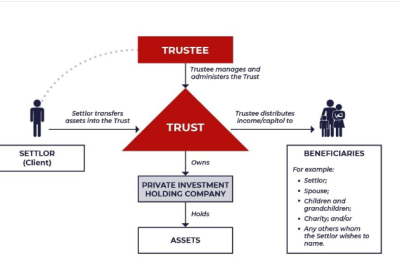
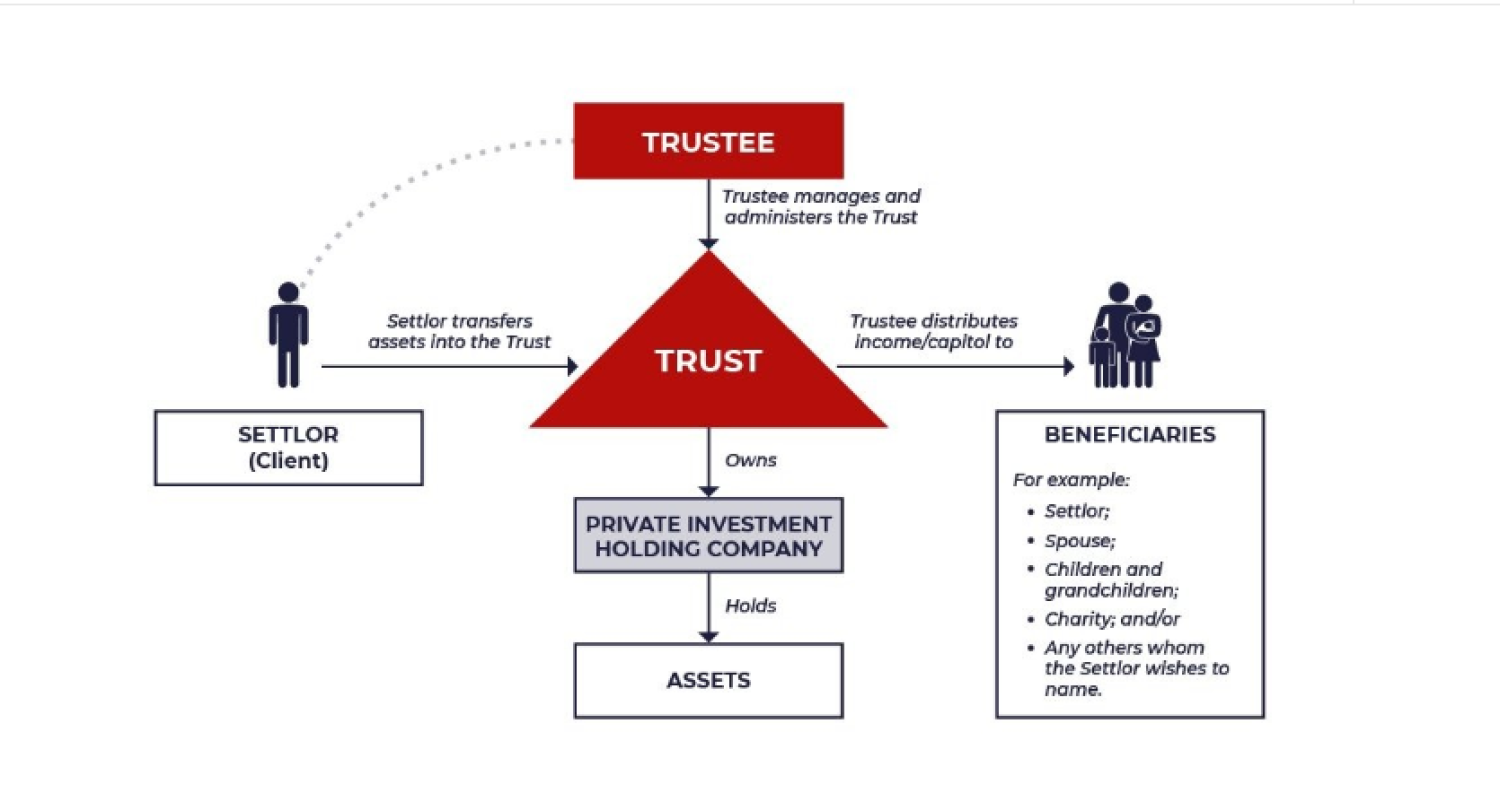
- Step 2: Structure Setup : This stage generally involves Establishment of a Family Trust, Governance mechanisms and Ownership structures. The legal framework is formalized at this stage.
- Step 3: Maintenance : The Family Office manages and maintains Trusts, Governance mechanisms, Compliance functions and Investment structures. This ensures continuity across generations.
What Makes a Family Office Truly Optimum?
Here we are identifies eight essential components of a successful Family Office.
- Succession Planning : Ensures smooth transfer of wealth and leadership.
- Estate Planning : Organizes ownership and inheritance arrangements.
- Tax Planning: Minimizes tax leakages while remaining compliant.
- Cross-Border Investments : Manages global investment structures.
- Regulatory Disclosures: Handles RBI, FEMA, SEBI, Income Tax, and other compliance requirements.
- Family Governance: Creates decision-making frameworks.
- Philanthropy and CSR : Organizes charitable and social initiatives.
- Risk and Insurance : Protects family wealth against unforeseen risks. A Family Office that ignores any of these elements remains incomplete.
The Legal Toolkit of a Family Office
This slide identifies the legal documents commonly used in Family Office structures.
|
Legal Instrument |
Purpose |
|
Trust Deed |
Primary governance document |
|
Will |
Personal asset succession |
|
LLP Deed |
LLP management and governance |
|
HUF Deed |
Joint family asset framework |
|
Partnership Agreement |
Profit-sharing and management |
|
MOA & AOA |
Company governance document |
Significance : Each document serves a different purpose and together they form the legal foundation of a Family Office.
Broad Functions of a Family Office
- Here we highlights the practical activities performed by a Family Office.
- Succession Planning : Activities include: Wealth transfer planning, Leadership transition, Next-generation development.
- Family Governance : Establishes Family Charter, Decision-making framework and Investment oversight mechanisms. Regular family meetings help avoid future disputes.
- Administration Services : Includes Accounting, Bill payments, Contract management, Insurance management, Risk management,
- Wealth Management : Focuses on Asset allocation, Portfolio diversification , Investment management. Here also refers to the possibility of creating NBFCs or brokerage entities for dedicated investment functions.
- Philanthropy : Family Offices often Identify charitable causes, Administer donations, Evaluate impact and Monitor philanthropic projects
Other Important Aspects of Family Offices
Here we focuses on strategic considerations in designing a Family Office.
- Tax Efficiency : Family Offices evaluate Treatment of various income streams, Capital gains taxation, Business income taxation, Dividend taxation and Surcharge implications.
- Ease of Administration: The chosen structure should remain practical and manageable.
- Regulatory Issues : Potential issues include NBFC regulations, SEBI regulations, FEMA compliance and RBI requirements
- Estate Planning: The structure must facilitate efficient inheritance and succession.
- Investment Vehicle Selection : This blog emphasizes selecting an appropriate vehicle such as Trust, LLP Partnership Firm, Company. selection depends upon taxation, governance, flexibility, and succession considerations.
Structuring the Family Office
- Key Focus: Human Capital : A Family Office requires the right team.
- Potential Roles : CEO, CFO, CIO (Chief Investment Officer), Tax experts, Legal professionals and Accountants
Outsourcing vs In-House Teams
- Outsourcing : Advantages Cost efficiency, Access to expertise and Flexibility
- In-House Teams : Advantages Better control, Greater confidentiality and Faster execution
- Important Consideration : Sensitive functions such as accounting and family records may require a higher degree of confidentiality.
Structuring the Family Office
here we addresses the economics and policies of running a Family Office.
- Cost Allocation : Important questions include Who bears the Family Office expenses? And How are costs allocated among family members?
- Philanthropic Allocation : Family members may decide How much wealth to set aside for charitable activities and Which causes to support
- Investment Policies: The Family Office may establish:
- Allowed Investments : Listed equities, Bonds, Real estate, Family businesses
- Restricted Investments : For example Competing businesses, High-risk ventures, Certain regulated sectors, This ensures consistency in investment decision-making.
India's Notable Family Offices
Examples of leading Family Offices in India.
- Premji Invest : Associated with the Azim Premji Family and known for large-scale investment and philanthropic initiatives.
- Godrej Family Office : Supports the diversified interests of the Godrej Family across multiple sectors.
- TVS Family Office : Manages multi-generational wealth associated with the TVS Group.
- Hinduja Family Office : Supports the global business and investment activities of the Hinduja Group.
- Key Learning : Family Offices are no longer limited to western economies.
Indian business families increasingly adopt sophisticated family office structures.
- Global Family Offices : The presentation highlights well-known global examples.
- Bezos Expeditions : Investment office associated with Jeff Bezos.
- Cascade Investment : Investment vehicle associated with Bill Gates.
- Walton Enterprises : Family office associated with the Walmart Family.
Key Lesson
Globally, successful business families do not rely solely on individual investment decisions. They create structured organizations dedicated to:
- Governance
- Wealth management
- Succession planning
- Long-term preservation of family wealth
Overall Conclusion
The first part of the presentation establishes that a Family Office is far more than an investment management entity. It serves as a centralized platform for:
- Wealth Management
- Succession Planning
- Family Governance
- Tax Planning
- Estate Planning
- Regulatory Compliance
- Philanthropy
- Risk Management
For large Indian business families, a Family Office acts as the bridge between wealth creation and wealth preservation, ensuring that family assets, businesses, values, and governance systems survive and prosper across multiple generations