Table of Contents
- Declaration Of Foreign Assets And Income: A Critical Compliance Requirement For Resident Taxpayers
- Introduction
- Who Is Required To Disclose Foreign Assets And Income?
- What Constitutes Foreign Assets?
- What Is Foreign Income?
- Which Itr Form Should Be Used?
- Important Schedules For Disclosure
- Claiming Foreign Tax Credit
- What Information Should Be Collected Before Filing?
- What If The Return Has Not Been Filed?
- What If The Return Is Already Filed?
- Benefits Of Accurate Disclosure
- Difference Between Schedule Fa (foreign Assets) and Schedule Fsi (foreign Source Income)
- Consequences Of Non-disclosure
- Conclusion
- How Rajput Jain & Associates Help
Declaration of Foreign Assets and Income: A Critical Compliance Requirement for Resident Taxpayers
Introduction
With increasing globalization, many Indian residents earn income from overseas sources or hold assets outside India, such as foreign bank accounts, shares, ESOPs, properties, trusts, and investment portfolios. The Income Tax Department has reiterated the importance of accurate disclosure of foreign assets and foreign income in the Income Tax Return (ITR).
Failure to disclose such assets and income can attract severe penalties and prosecution under the Black Money (Undisclosed Foreign Income and Assets) and Imposition of Tax Act, 2015. Therefore, taxpayers must understand their disclosure obligations and ensure complete compliance while filing their returns.
Who is Required to Disclose Foreign Assets and Income?
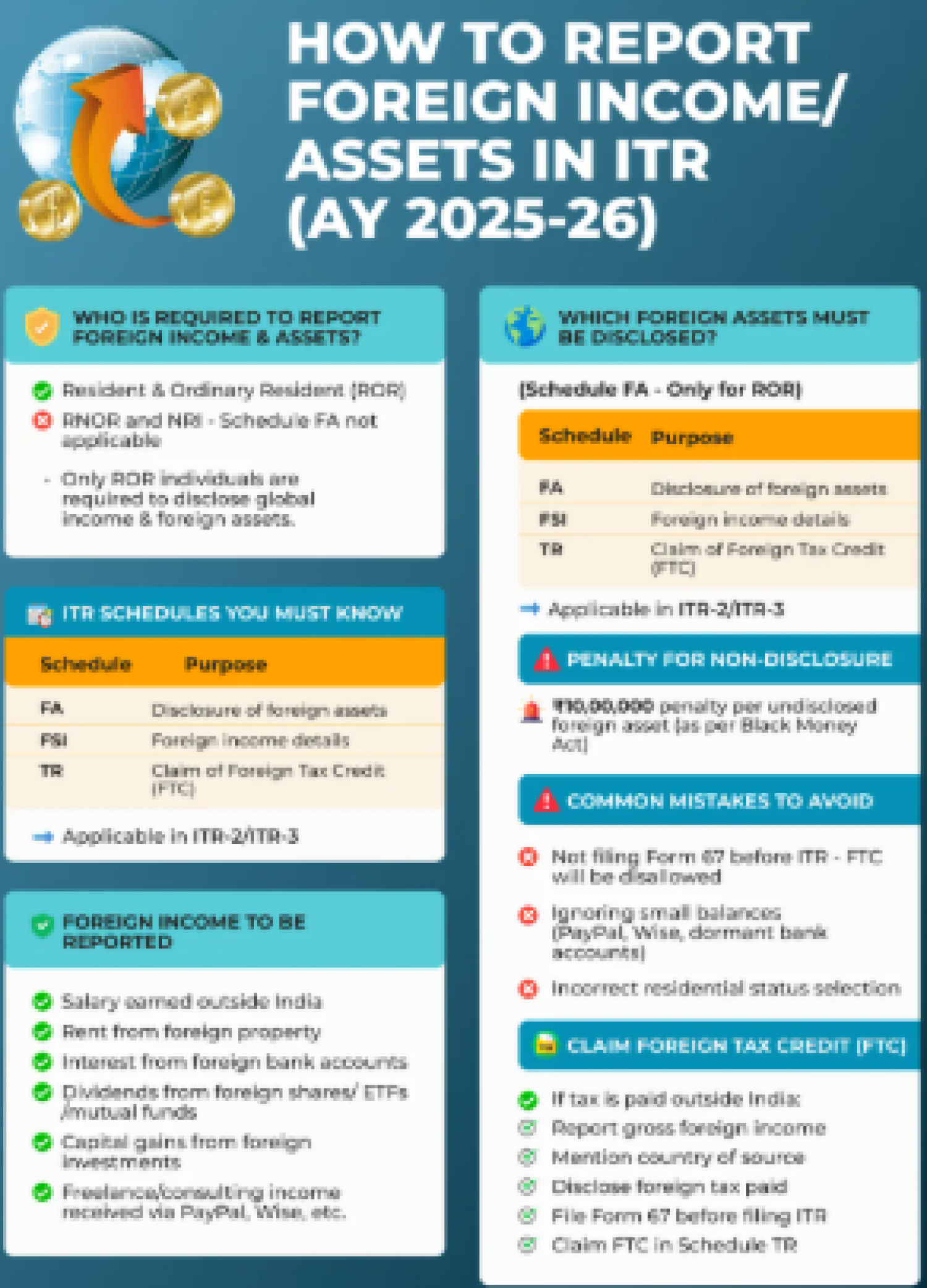
Every Resident taxpayer in India who holds foreign assets or earns foreign income is required to disclose the same in the Income Tax Return, even if:
- The total income is below the taxable threshold.
- No tax is ultimately payable in India.
- The foreign income has already suffered tax in another country
Resident Individuals
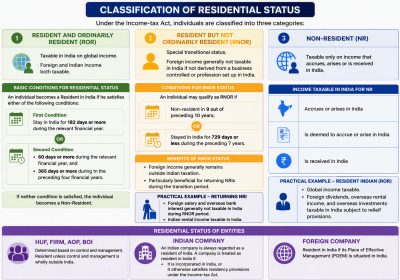
An individual is generally treated as resident in India if:
- He or she stays in India for 182 days or more during the relevant previous year; or
- He or she stays in India for 365 days or more during the preceding four years and 60 days or more during the relevant previous year, subject to applicable exceptions.
Other Resident Taxpayers
The disclosure requirement also extends to:
- Hindu Undivided Families (HUFs)
- Firms
- Associations of Persons (AOPs)
- Companies having effective management in India
What Constitutes Foreign Assets?
The scope of foreign asset disclosure is extensive and includes assets held directly or beneficially outside India. Some common examples are:
Foreign Financial Assets
- Foreign bank accounts
- Foreign depository accounts
- Custodial accounts
- Foreign insurance policies
- Annuity contracts
- Overseas investment accounts
Foreign Investments
- Shares in foreign companies
- Mutual funds
- Bonds and debentures
- ESOPs and stock options
- Financial interest in foreign entities or businesses
Trusts and Beneficial Interests
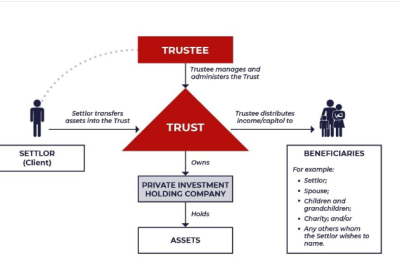
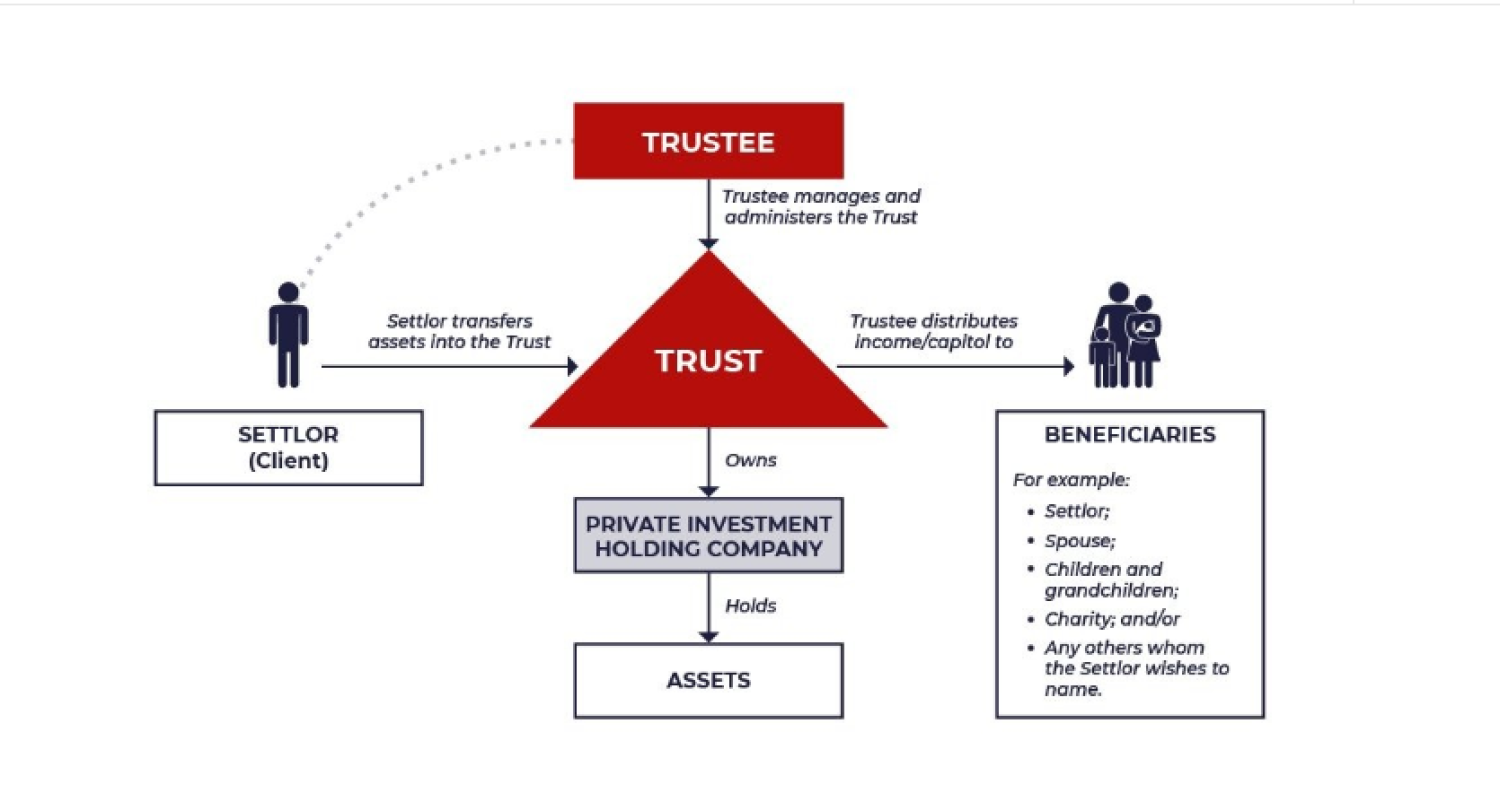
- Settlor of a foreign trust
- Trustee of a foreign trust
- Beneficiary in a foreign trust
Foreign Immovable Property
- Residential property
- Commercial property
- Land situated outside India
Other Capital Assets
Any other asset situated outside India in respect of which the taxpayer is the owner or beneficial owner.
What is foreign income?
Foreign income broadly includes income arising from sources located outside India, such as:
- Salary earned overseas
- Income from house property located abroad
- Business or professional income from outside India
- Interest income
- Dividend income
- Royalty income
- Fees for technical services
- Short-Term Capital Gains (STCG)
- Long-Term Capital Gains (LTCG)
- Redemption proceeds and other overseas receipts taxable under Indian law
Which ITR Form Should Be Used?
Taxpayers having foreign assets or foreign income should carefully choose the correct return form.
ITR-1 and ITR-4 Not Permitted
A taxpayer having foreign assets or foreign income should not use:
- ITR-1 (Sahaj)
- ITR-4 (Sugam)
These forms do not contain:
- Schedule FA (Foreign Assets)
- Schedule FSI (Foreign Source Income)
- Schedule TR (Tax Relief)
Important Schedules for Disclosure
1. Schedule FA – Foreign Assets
This schedule captures:
- Details of foreign assets
- Country of location
- Date of acquisition
- Cost and value of assets
- Income generated from such assets
2. Schedule FSI – Foreign Source Income
This schedule contains:
- Details of foreign income earned
- Country-wise reporting
- Tax paid outside India
3. Schedule TR – Tax Relief
Used for claiming relief for taxes paid overseas under:
- Double Taxation Avoidance Agreements (DTAA)
- Relevant provisions of the Income-tax Act, 1961
Claiming Foreign Tax Credit
Where tax has been deducted or paid outside India, taxpayers may be eligible to claim Foreign Tax Credit (FTC).
For claiming such relief:
- Appropriate reporting should be made in Schedule TR.
- Form 67 should be filed online as required.
- Relevant proof of foreign tax payment should be preserved.
What Information Should be Collected Before Filing?
Before filing the return, taxpayers should compile:
Asset-Related Information
- Type of foreign asset
- Country where asset is located
- Address/location details
- Date of acquisition
- Cost of acquisition
- Current value
- Income generated
Income-Related Information
- Nature of income
- Country of source
- Amount earned
- Taxes paid or withheld abroad
Proper documentation ensures accurate disclosure and avoids future disputes.
What If the Return Has Not Been Filed?
Where the return has not been filed within the due date under Section 139(1), taxpayers may still file a belated return within the prescribed time limit. Importantly, foreign assets and foreign income must be disclosed even where the taxpayer's income is below the taxable limit.
What If the Return Is Already Filed?
If a taxpayer realizes that foreign assets or income were omitted from the return:
- A revised return should be filed within the permissible period.
- The correct ITR form should be selected.
- Schedule FA, Schedule FSI, and Schedule TR should be properly completed.
Benefits of Accurate Disclosure
Proper disclosure offers several advantages:
Compliance with Law : Ensures compliance with the provisions of the Black Money Act.
Avoidance of Double Taxation : Allows taxpayers to claim foreign tax credit and DTAA benefits, thereby reducing the chances of double taxation.
Protection Against Litigation : Accurate reporting reduces the risk of assessments, penalties, and prosecution proceedings.
Difference Between Schedule FA (Foreign Assets) and Schedule FSI (Foreign Source Income)
While filing the Income Tax Return (ITR), taxpayers with foreign assets or foreign income are often confused between Schedule FA (Foreign Assets) and Schedule FSI (Foreign Source Income). Although both schedules relate to overseas holdings and earnings, their reporting requirements are distinct.
| Particulars | Schedule FA (Foreign Assets) | Schedule FSI (Foreign Source Income) |
|---|---|---|
| Purpose | To disclose details of foreign assets held outside India. | To report income earned from sources located outside India. |
| Reporting Basis | Reported on a Calendar Year basis. | Reported on a Financial Year basis. |
| Coverage | Foreign bank accounts, depository accounts, shares, mutual funds, RSUs, ESOPs, foreign properties, trusts, and other overseas assets. | Foreign salary, interest, dividend, rental income, business income, short-term and long-term capital gains, and other overseas income. |
| Applicable To | Resident taxpayers holding or beneficially owning foreign assets. | Resident taxpayers earning income from foreign sources. |
| Objective | To ensure transparency regarding overseas asset ownership. | To enable reporting of foreign income and claim tax relief/foreign tax credit where applicable. |
Consequences of Non-Disclosure
The consequences of failing to disclose foreign assets or foreign income can be severe.
- Penalty : A penalty of INR10 lakh may be imposed where Foreign assets are not disclosed in the return, Inaccurate particulars are furnished regarding foreign assets and The aggregate value of specified foreign assets exceeds the prescribed threshold under the law.
- Assessment Proceedings : Assessment proceedings may be initiated under the Black Money Act for undisclosed foreign income and assets.
- Prosecution : Non-filing of return or furnishing inaccurate particulars relating to foreign assets and income may also lead to prosecution proceedings.
Conclusion
The Income Tax Department has significantly strengthened its focus on the reporting of foreign assets and foreign income. Information is increasingly available through international exchange mechanisms, making non-disclosure a high-risk proposition.
Resident taxpayers holding overseas bank accounts, investments, ESOPs, immovable properties, trusts, or earning foreign income should carefully evaluate their reporting obligations and ensure complete disclosure in the appropriate schedules of their Income Tax Return.
Given the stringent penalties under the Black Money Act, timely and accurate disclosure is not merely a compliance formality—it is an essential aspect of responsible tax governance.
How Rajput Jain & Associates Help
Need assistance in reporting Foreign Assets, Foreign Income, Form 67, Foreign Tax Credit (FTC), or DTAA claims? Contact Rajput Jain & Associates for professional guidance and tax compliance support.