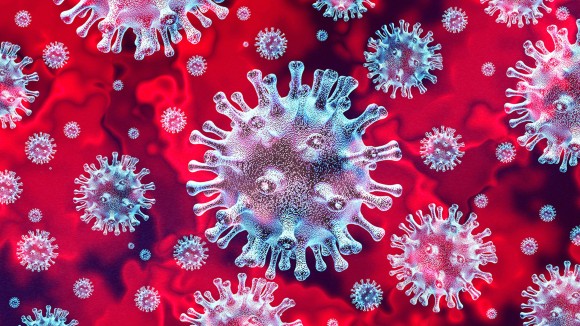
We should understand the seriousness of Coronavirus disease (COVID-19), COVID-19 is an infectious illness caused by a recently discovered coronavirus virus.
The COVID-19 virus responds to a pandemic of respiratory disease spread from person to person caused by a novel (new) coronavirus.
The illness was referred to as “Coronavirus Illness 2019” (abbreviated as “COVID-19”). This condition poses a significant danger to public safety.
The federal government works closely with national, provincial, tribal, and territorial governments, as well as public health agencies, to adapt to this crisis.
COVID-19 can cause moderate to severe illness; the most extreme disease occurs in adults 65 years of age and older, and in individuals of any age with significant underlying medical conditions.
Most individuals diagnosed with the COVID-19 virus should develop mild to moderate respiratory illness and recover without needing medical care.
Older individuals and those with ongoing medical conditions such as cardiovascular disease, asthma, chronic lung disease, and cancer are most likely to experience severe illnesses.
The only way to deter and delay infection is to be well educated about the COVID-19 virus, the illness it produces, and how it spreads. Protect yourself and others from contamination by washing your hands by using alcohol-free rubbing regularly and without touching your skin.
The COVID-19 virus spreads mainly by droplets of saliva or discharge from the nose when an infected person coughs or sneezes, so it is crucial that you often follow respiratory etiquette (for example, coughing into a flexed elbow).
There are no clear drugs or medications for COVID-19 at this time. There are, indeed, several current clinical trials testing new therapies. We will continue to have new information as long as clinical results are available?
You may also like the Following Blogs;
MCA Changes in Indian Company formation- 2026 A series of reforms measures put forth by the Ministry of Corporate Affairs… Read More
Complete Guide to Reverse Charge Mechanism (RCM) under GST Under Goods and Services, tax is generally paid by the supplier…But… Read More
Allowances & Perquisites under Income‑tax Rules, 2026 for OLD tax regime The Income‑Tax Rules, 2026, notified by the Central Board… Read More
GST Implications on Sale of Old Vehicles vis‑à‑vis Sale of Other Used Capital Goods Some Tamil Nadu AAR judgments that… Read More
Major Changes Proposed & Impact of Corporate Laws (Amendment) Bill, 2026 A major reform initiative, the Corporate Laws (Amendment) Bill,… Read More
Product brand value with artificial intelligence video editing tool. What’s an artificial intelligence video editing tool? An artificial intelligence video… Read More